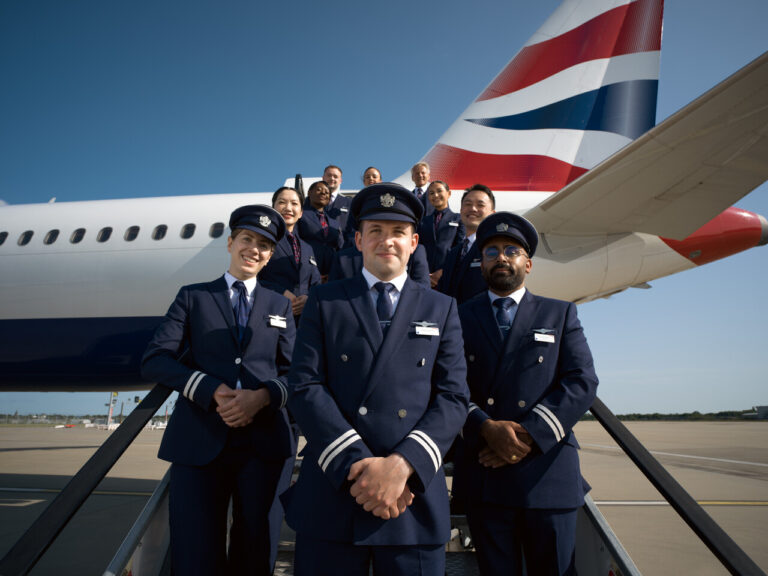
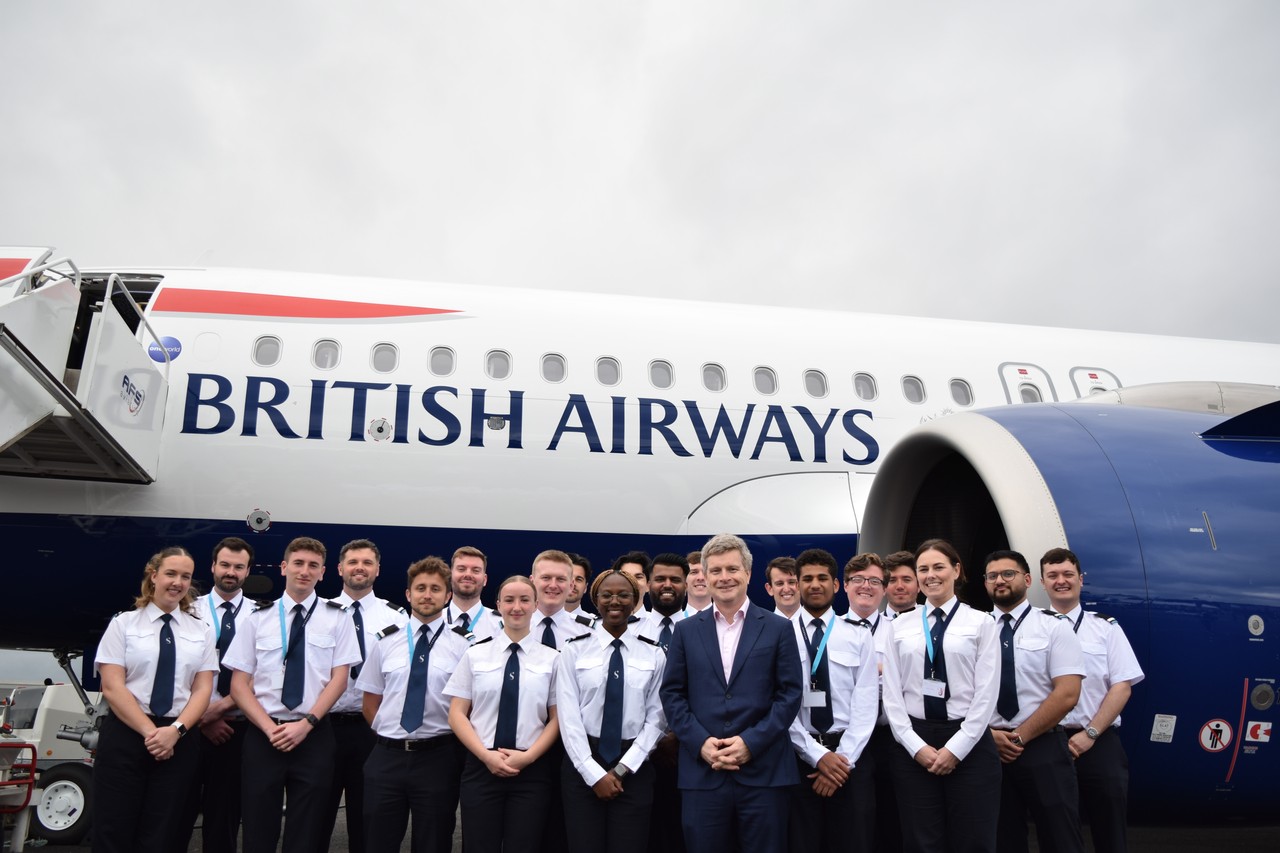
British Airways has once again opened its doors for the hugely popular fully-funded Speedbird Academy Pilot Programme for a short window, with the last applications due by April 23rd 2026. This year, they’re investing £18 million in the scheme, which will take 160 successful candidates (down from 200 in 2025) from little to no flight experience all the way through to operating as a British Airways first officer in 18 months.
The scheme’s last intake in 2025 saw over 20,000 applications, so it’s clear this is a highly competitive process. On the front of it, this scheme looks like an incredible opportunity for aspiring pilots, but there are definitely a number of things to consider before you apply that only become clear when digging into the small print. Amongst other things, candidates on this scheme can actually end up working for one of BA’s subsidiary airlines for the first six years. The term ‘fully-funded’ is also a slightly deceptive one, as your training costs will, in fact, be recouped from you eventually, and you may also find yourself tied to an airline which isn’t actually right for you.
The aim of this article is to cut through BA’s marketing and break down the pros, cons, and everything in between. I’ve run through all the course details and FAQ’s with a fine comb, as well as trawling forums and speaking to contacts in the industry to get the best possible understanding of exactly what’s involved here. As an experienced airline captain and instructor, and having come through a sponsored scheme myself, I will also be sharing my personal opinion on the opportunity BA are providing here.
I’ve condensed all of that, along with my findings, into this relatively comprehensive article. The picture that’s emerging isn’t necessarily bad, but there are considerations you must bear in mind if you’re looking to apply.
For those who wish to apply, I’ve written an article that provides a comprehensive rundown of the selection process and helps you succeed at each stage – How to Pass the Speedbird Academy 2026 Selection Process. I’m also working on a video tutorial for this. Ensure you’re signed up to our newsletter and are also registered to our free Skool community here to be notified when I release it.
I’ve also created a video tutorial to guide you through the selection process. For more video content, check out the tutorial courses on our Skool page.
Speedbird Academy Requirements To Apply
Before we dissect what this scheme really means for your career prospects, let’s look at the basics. The Speedbird Academy programme is a fully funded scheme which trains you towards an Airline Transport Pilot Licence (ATPL) and eventually provides you employment in the right-hand seat of a jet.
All of the detailed information you need can be found on their website here, but to save you time scouring through it, I’ve broken down a high-level overview of the scheme requirements here:
- You can apply at age 17 but must be aged 18-58 years on the 1st January 2027.
- 6 GCSEs grade A-C or 4-9 including Maths, English Language and a Science or equivalent qualifications. If you have equivalent qualifications, please upload your certificates, and we will gain the equivalencies from ECCTIS.
- Fluent in English (and, if applicable, an ICAO Level 6 on completion of training). Non-native English speakers, must have achieved IELTS Level 5.5 overall, with no less than 5.5 in any individual area, before starting at the flight school. This must be the Academic test.
- The unrestricted right to live and work in the UK without sponsorship.
- A valid passport which permits unrestricted worldwide travel.
- Your height should be between 1.57m (5’2″) and 1.91m (6’3″). If your height is outside of this range you can still apply but may have to complete a functionality test.
- Visible tattoos on head, face or hands are not permitted.
- Have the ability to swim unaided (at least 50 metres) and tread water (at least 3 minutes).
- Able to obtain and hold a UK CAA Class 1 medical with no restrictions and meet British Airways medical criteria.
- Before training starts, you must have completed referencing and pre-employment checks to the satisfactory standard and supply satisfactory UK and international Criminal Record Checks.
Application Process
Before you can apply, there is a pre-application process to follow. This consists of working through online modules to check your suitability for the role, and you’ll also be asked to choose your desired flight school. Once you complete this process, you’ll be able to start your application.
The next stages of the application process are as follows:
- Online application and testing.
To include situational judgement questions, maths test, checking test, listening accuracy test, and pilot communication and motivation activity.
- Flight school assessment
Online assessments comprising aptitude tests and questions. This is followed by a day at British Airways HQ, where you’ll sit more aptitude tests and complete a group exercise. You’ll then have another online interview with your flight school.
- BA assessment centre
You’ll be invited back to the BA HQ for another round of interviews and assessments; this will be the final day of selection.
As you can see, it’s not going to be a walk in the park. It’s a rigorous, multi-stage process that will require a lot of study and preparation to give you a chance of succeeding. It’s therefore imperative that you have real drive and, to be honest, a burning desire to land a place on this course.
If you want to understand whether this could be a career that suits you, check out our free video course in our Skool community, which will give you all the information you need to help make this decision. You can also grab a copy of the book ‘How To Become An Airline Pilot’, which walks you through the entirety of the airline selection process and exactly what the assessors will be looking for at each stage.
Training Course Overview
The planned course footprint is 18 months long and will culminate in you gaining a frozen ATPL. The timeline comprises the following BA Speedbird Academy 2026 stages:
- Ground School (6 to 8 months) – You’ll be completing 13 pilot exams
- Basic Flight Training (6 months) – This takes you from having never flown an aircraft before to being competent at flying solo
- Advanced Flight Training (4 to 6 months) – You will move onto twin-engine aircraft and begin learning to fly off instruments, as well as simulating flying through clouds and bad weather
- Upset Recovery Training (3 flights) – During this stage, you will fly aerobatics and be taught how to recover from a high-nose or low-nose flight
- APS MCC (3 to 4 weeks) – This is learning how to fly in a multi-crew environment. Most schools use A320 or 737 simulators for this phase
Flight School Choice
Interestingly, BA are giving you the choice of which flight school you train with. As always in this industry, though, it’s not an actual choice, but rather a ‘preference’ that you can select. They’ll make the final call, but it’s nice to see they’re giving the option.
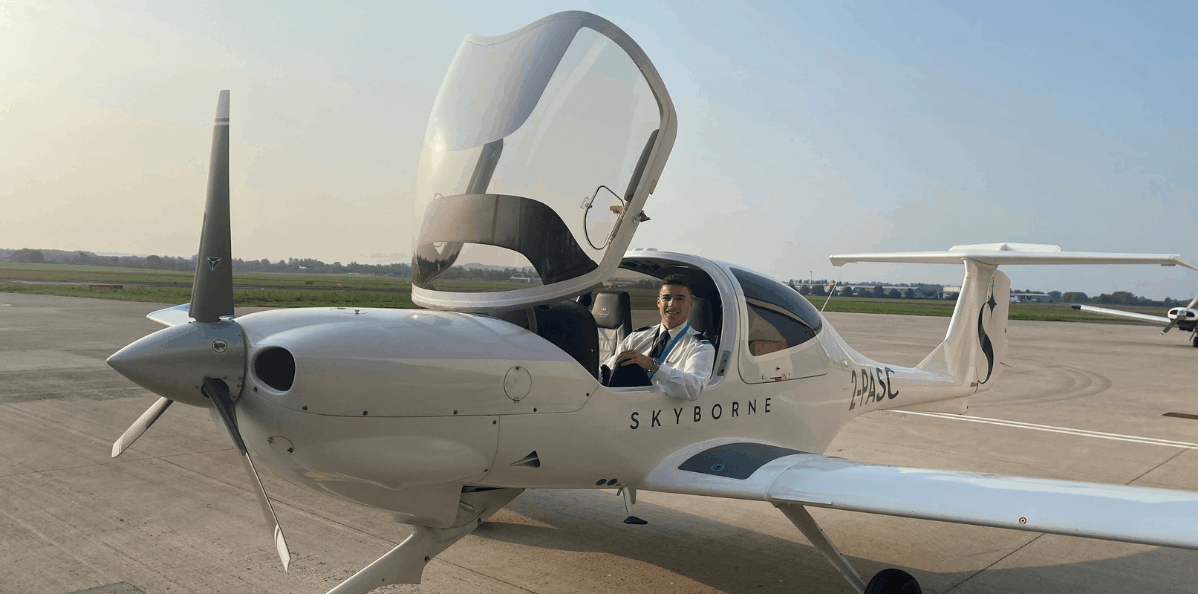
The two flight schools will run a very similar, if not identical, training programme, so the main thing you should be considering when making this choice is the location of the flight schools.
- UK-based (Gloucestershire)
- You’ll do most of your flight training in Florida, USA, some in Gloucestershire, and some in Bournemouth.
- Based in Spain (Jerez) and also a base in the UK (Oxford)
- Training will be completed between these two bases.
British Airways Speedbird Academy Pros
There’s a lot about this scheme that’s great:
Fully Funded
You aren’t required to pay a penny upfront for the training. Although there are ways British Airways will recoup the money they’ve invested in you (which we’ll get on to in the next section), you don’t have to go finding a £100,000+ flight training loan and securing it against a family home. That takes a hell of a lot of stress off things!
You won’t get a salary while you train, but British Airways will cover the cost of your accommodation for the duration of your flight training, as well as providing food and subsistence allowances while you’re on the course. The type rating on your final aircraft (£20,000 – £30,000) is also included in this course. Compared to those on self-funded, or even other airline tagged schemes where trainees are still expected to stump the money upfront, the Speedbird Academy really removes that initial financial barrier entirely.
ATPL
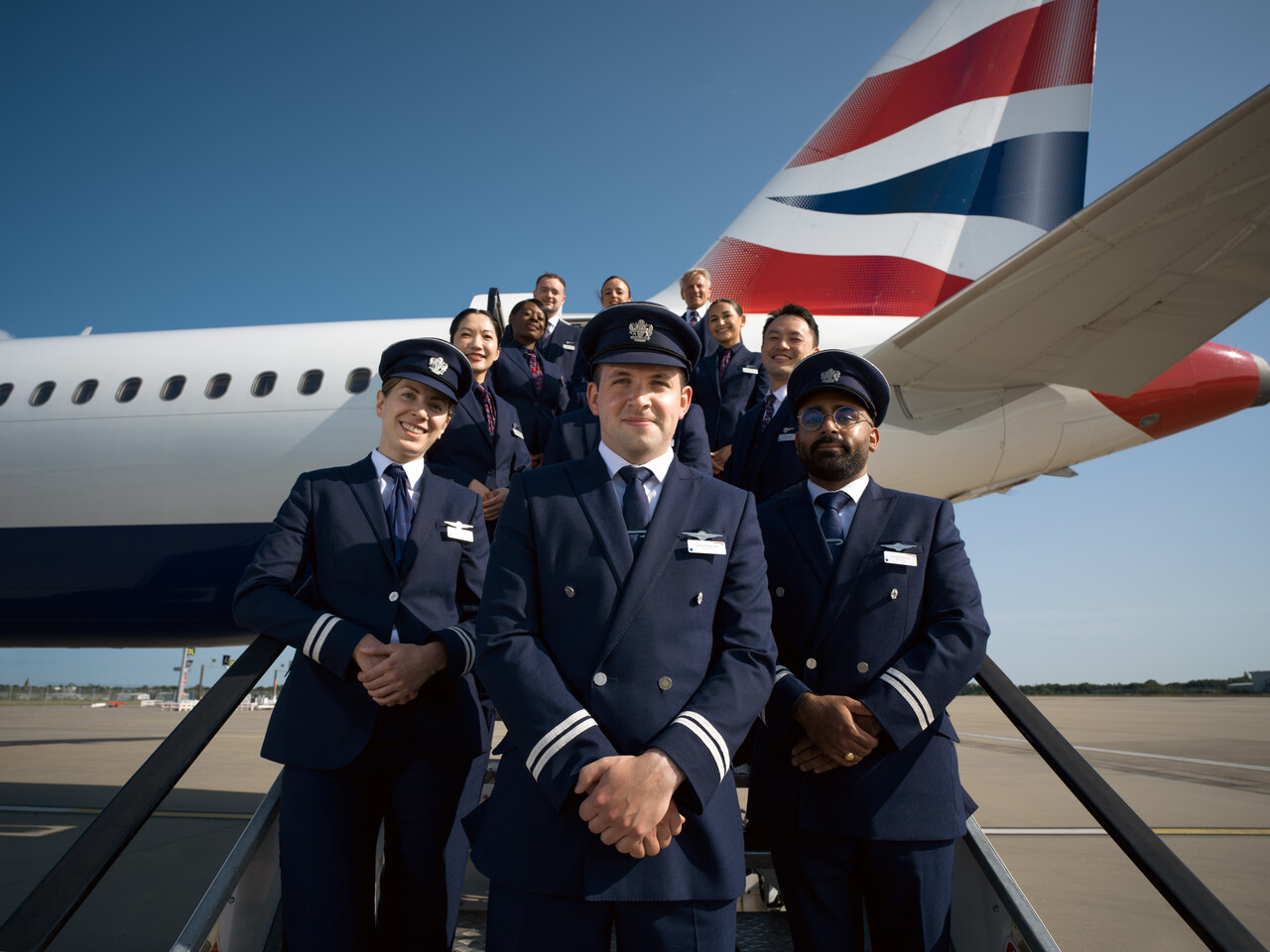
The course British Airways is providing is an ATPL course, meaning you’ll finish the course with a Frozen ATPL as opposed to a Multi-Crew Pilot Licence (MPL), which is a popular licence type amongst other airlines.
Although I find it surprising that British Airways has gone down the ATPL route, it’s great for the trainee. On an MPL course, there’s a slight risk that because the training is very airline-specific (the cadets are ‘tagged’ by the airline at the start of the course), cadets may find themselves a little bit stuck if something were to happen to their airline during training. They’d essentially be left with a half-completed MPL for a specific airline that may no longer exist. Although this has happened in the past and other airlines have scooped the cadets up and transferred them onto their own MPL schemes, it’s still a consideration.
ATPL courses, however, may make you feel more secure. If the worst were to happen and British Airways hit financial difficulty halfway through your training, and had to cease your training, you could self-fund the last portion and end up with frozen ATPL, with which you could apply to any airline.
Training Providers
British Airways is giving you the choice between two good training providers. This means not only will you receive high-quality training, but you’ll also have the school’s name on your CV, which could come in handy in future. Each provider offers phases of their training in different locations around the world, so you’ll also get to have an adventure while working toward gaining your licences.
Although major delays in training centres across Europe due to a lack of resources are an issue right now, flight schools have been known to give priority to cadets on the Speedbird Academy course. I’d imagine it’s because they want to maintain their contracts with the airline, and while it may seem unfair on the self-funded cadets who are essentially pushed aside to ensure the British Airways cadets aren’t delayed, it’s one big benefit of being on a course like this.
Life at British Airways
British Airways is one of the best airlines in Europe that you could work for, and it’s one that many pilots stay with for life. It offers extremely competitive pay, great perks, and a great variety in the type of flying you could do across your career.
Pilots can move between short-haul and long-haul fleets (although 5-6 year fleet freezes often apply each time you move). You’ll have the chance to fly a nice variety of aircraft: A320, A350, A380, B777, B787. On short-haul, pilots can bid for either day trips, where they’re home every night, or tours, where they’re city hopping for multiple days at a time.
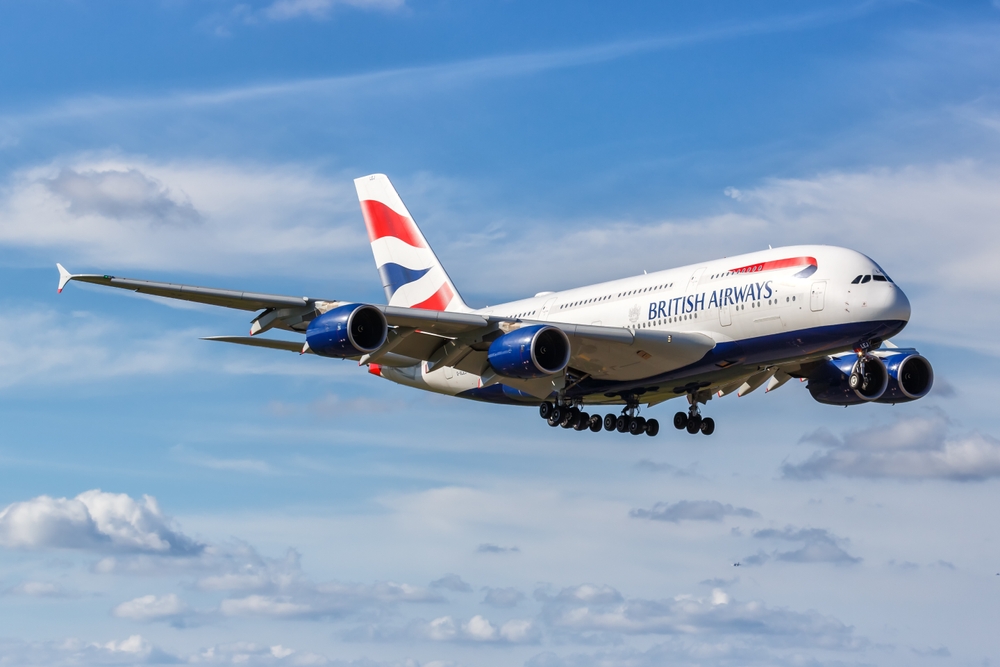
All of these options mean that BA is generally considered a great place when it comes to lifestyle. The staff travel network is worldwide, offering you staff rates not just on British Airways flights, but also on any of their partner airlines. They offer a large pension contribution, up to 15% for pilots, and are also a unionised airline, meaning you’ll have the force of BALPA ensuring the airline looks after you.
Seniority
You’ll find this in both the pros and cons. British Airways is a seniority-based airline, which means the longer you’re there, the more influence you’ll have over your roster and working life. Seniority is a great thing, once you have it. For those who have been there 10+ years, the level of control they have over their roster will be high. They’ll be able to bid for certain trips and days off, and usually get them. For those with over 20 years in the company, they’ll almost be designing their own rosters. By joining British Airways as your first airline, you’re getting in as early as you possibly can, meaning you’ll rise up their seniority list from day one of your career, whilst many others usually do a stint at other airlines before moving to BA.
The True Costs and Commitments
Right, let’s talk about the real costs and strings attached, because that’s what most of you are really wondering about. We all know there’s no such thing as a free lunch, so what’s the catch?
Euroflyer
Hidden within the small print is something that you need to be made very aware of. I’d argue that this is something that could have a colossal impact on your lifestyle, but is not made clear at all.
Even if you are successful in gaining a place on this scheme and completing all of your training, you aren’t necessarily going to start your airline career flying for the official mainline British Airways company.
The small print reveals that this scheme actually feeds pilots into two separate airlines. These airlines operate quite differently, have slightly different salaries, and will provide very different lifestyles. Let’s take a look at them:
1- British Airways (mainline)
- This is likely the British Airways that you know and (hopefully) love. It’s the mother company.
- Short-haul & long-haul fleet, based at London Heathrow
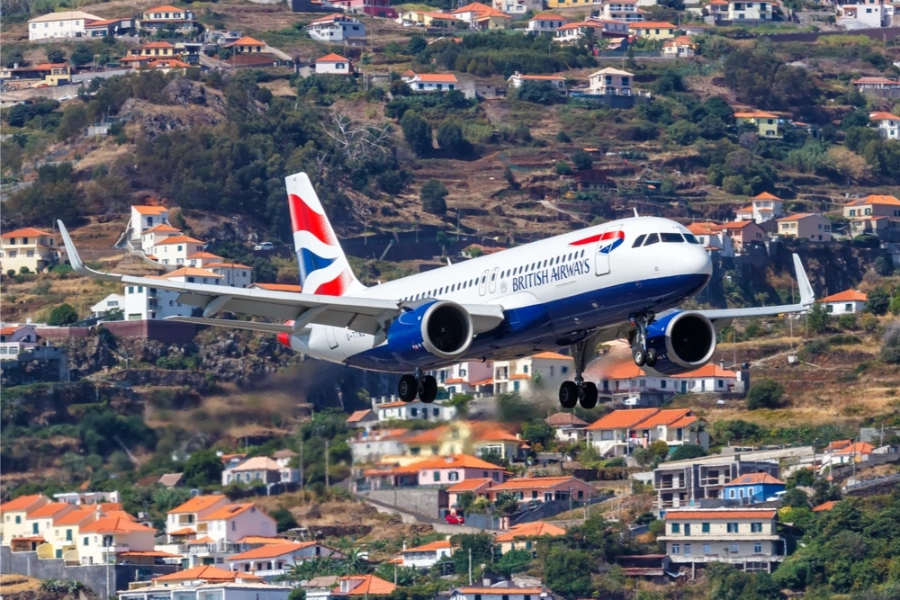
- You’ll start on the A320 fleet flying short-haul if you end up here.
2- BA EuroFlyer
- A320 fleet based at London Gatwick.
- Day trips only (there and back)
The decision as to which airline you’ll be fed into will be entirely up to British Airways. Taken straight from the horse’s mouth: “Your airline will be allocated at the point we make a job offer. This decision will be down to the business need at the time. You can be based at Heathrow or Gatwick, depending on whether you are offered a place with BA or EuroFlyer”.
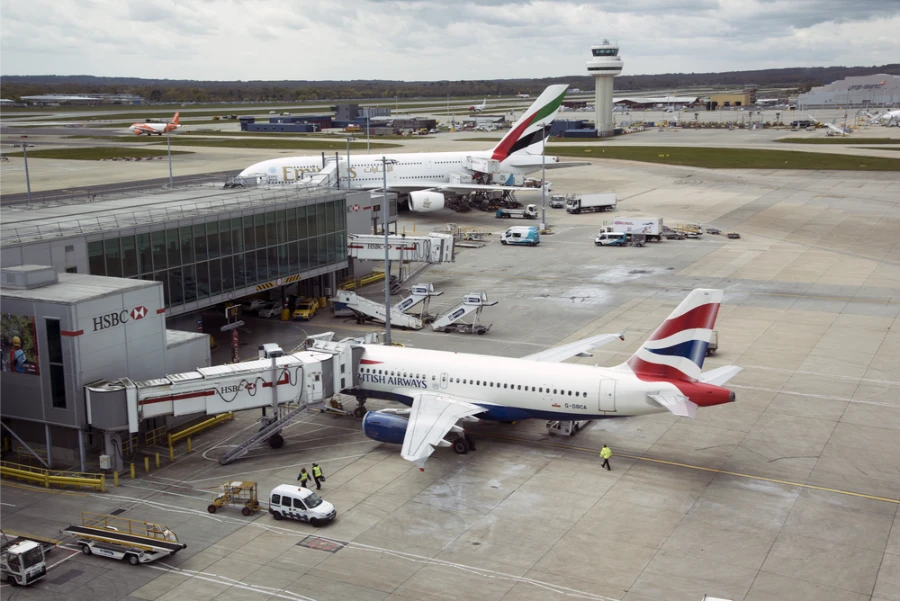
Admittedly, this is a better situation than last year’s intake, whereby applicants could also end up at another BA subsidiary airline, CityFlyer, based at London City airport. It still means, however, that until you’ve finished your training and received a job offer, you won’t know whether you’re going to be flying A320s from Gatwick on day trips and home every night, or from Heathrow on multi-day trips. You therefore won’t know which airport you’ll have to live close to.
It’s worth noting that time spent at either of these airlines will still move you up the seniority list at mainline British Airways, but the level of uncertainty around basing, fleet and lifestyle for some will quite understandably be too much.
6-Year Fleet Freeze
Whichever airline and fleet British Airways decides to put you on, you’ll be ‘frozen’ there for the first 6 years before you’ll be allowed to move to a different fleet, or between mainline BA and Euroflyer. That’s a long time! They do say that if you’re placed with BA mainline or EuroFlyer, you can bid to move between the two airlines within this freeze period, and they will accommodate the move if they can.
Fully Funded & 5–Year Bond
As with many other ‘fully funded’ airline schemes, although you don’t have to stump up £100K+ upfront, the airline will ensure they get this investment back one way or another.
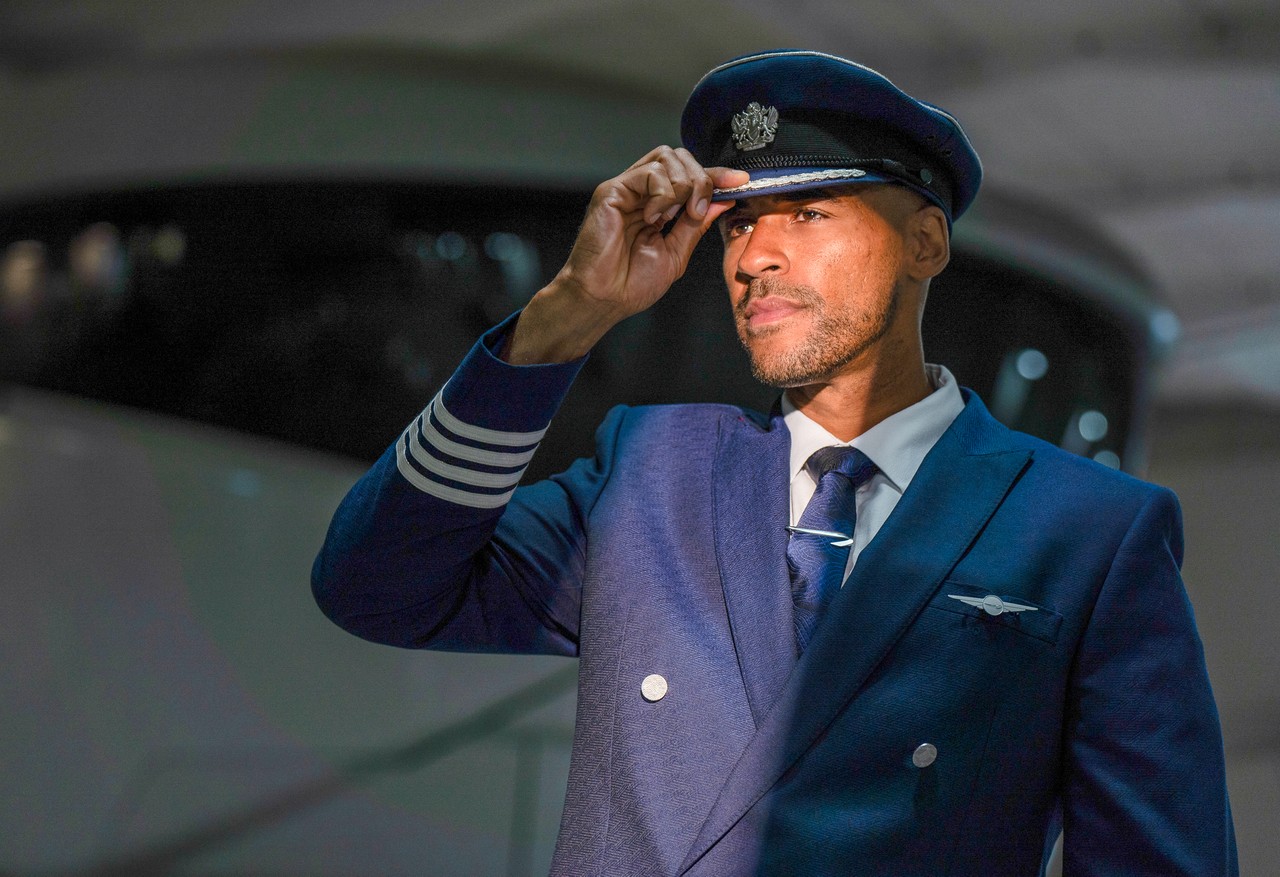
British Airways manage this by putting the Speedbird Academy cadets from the 2026 intake on a reduced salary of £37,000 per year (plus allowances) for a number of years once they start working for the airline. The starting salary for a British Airways pilot who’s not on this scheme currently sits around £77,000 per year (plus allowances). This difference between the reduced salary for those on the scheme and a normal first officer’s salary will usually make up the total cost of your flight training and type rating over the bond period.
The bond period for the Speedbird Academy is 5 years, meaning if you wish to leave British Airways during this time, you’ll be asked to repay the relevant portion of your training costs. The earlier you leave, the more you’ll have to repay.
This is pretty standard stuff across all airline schemes. Whilst it’s a great thing in that it removes the barrier to entry for most, it does mean that you could find yourself financially tied to British Airways for many years. Let’s say you get a year into your employment as a first officer with any of the three airlines, and it really isn’t working for you. It could be to do with having to relocate geographically, too much time spent away from home, or many other factors. If you wish to leave the airline, you’ll likely have to pay the best part of £100,000 to be able to do this.
Salary
This one gets its own sub-section in the things to consider here. Although any starting salary should never be frowned upon, it’s worth taking a moment to think about what sort of lifestyle one can live if they’re earning £37,000 (plus allowances) and operating out of a London-based airport, meaning they’ll have to either locate themselves close by, or face long commuting times.
If we consider for a moment that the average rent for a one-bedroom flat in London is £2,100, and before allowances, cadets completing this scheme could be taking home around £3,000 after tax, after having not had any income for the previous 18 months, there’s scope here to feel some serious financial pressure, despite this being a fully funded scheme.
Comparative Analysis
British Airways aren’t the only one offering a fully-funded flight training scheme, so how does it stack up compared to the others?
Jet 2 flight path programme
Overall, the Jet2FlightPath and BA’s Speedbird Academy fully-funded schemes are very similar. They’ve both partnered with some of the same schools, you end up with the same licence, and they both offer a similar package in terms of accommodation and living expenses while training, then a reduced salary once you become employed.
With the Jet2scheme however, you have even less say over your basing and could find yourself having to relocate anywhere from Standsed in the South of England, to Liverpool in the North. As an airline, Jet2 also offers less variety when it comes to career opportunities, as they only operate short-haul.
TUI MPL Cadet Programme
The main differences with the TUI fully-funded schemes are that you’ll gain a different type of licence. The TUI scheme will provide you an MPL rather than a frozen ATPL. To understand the differences, see my article on MPL vs ATPL here.
Furthermore, living expenses aren’t provided by TUI for the course, so that’s something you’ll have to budget for. One big bonus, however, is that you’re only bonded for 4 years with TUI, rather than 5 with British Airways.
Similar to Jet2, TUI have bases all around the UK, and you could end up having to relocate to any one of them. You will, however, have more certainty over the type of aircraft you’ll get type-rated on, which will be the Boeing 737. There will be an opportunity there to quickly progress onto the 787 and potentially be dual-rated.
Air Lingus Future Pilot Programme
Air Lingus’ programme will also gain you an MPL licence rather than an ATPL. Their FAQ’s, along with T&C’s, are much less revealing than the others, however, it’s clear that there is a bond period, during which time, if you leave the airline, you’ll be expected to pay the course costs back. You’ll also be on a reduced salary once you start flying, until the bond is paid off.
One certainty with the Air Lingus programme is that you’ll be based in Ireland and also type-rated onto the Airbus fleet. Overall, I’d say this scheme is more suited for Irish nationals or someone very open to relocating to Ireland for up to five years.
Conclusion
To conclude, British Airways’ Speedbird Academy is a great opportunity for aspiring pilots to get into the industry, without having to worry about the initial financial hurdle when it comes to the extortionate cost of flight training. It’s also incredible to have a job lined up with an airline that has enough variety and opportunities within it that you could easily spend your entire career there.
The Speedbird Academy programme does, however, come with some serious considerations. Firstly, it’s going to be fiercely competitive to get a place, with only a tiny percentage of applicants being successful last year.
By joining the course, you’re also making a big commitment for the next few years of your life. You’ll spend 18-24 months training, with no salary, after which you’ll be financially bonded to British Airways for 5 years and on a much smaller salary than other first officers in the company.
The final airline you’ll be flying for won’t actually be confirmed until you’ve finished your training, and you therefore won’t know where you’re going to be based and what sort of lifestyle you can expect. You won’t have control over any of this, and you’ll then be subject to a 6-year freeze on whichever airline BA needs you at.
These aren’t considerations to be taken lightly, nor is the commitment of time and resources required to get through this selection process and excel on the other side of it. If you have the cash available to you now to self-fund a course, and the freedom to say no to being based away from home is essential to you, then it might make more sense for you to go down the self-funded route. It’s worth noting that British Airways does take self-funded cadets straight from flight schools alongside their academy cadets.
Hopefully, you’ve found the above helpful. For those who wish to apply, I’m currently working on an article and video tutorial that will give you a comprehensive rundown of the selection process and help you succeed at each stage. Ensure you’re signed up to our newsletter and are also registered to our free Skool community here to be notified when I release these.
If you’re considering applying or know someone who might, here are a few resources I’d highly recommend digesting before doing so:
Pilot Bible Free Skool Community: Here you’ll find free video courses and career guides, as well as have the chance to connect with other like-minded people in the pilot bible community.
‘Airline Captain: A Day in the Life’ – This very recent book is written by a current short-haul airline captain and details the day-to-day life. Reading it will give you unparalleled insight into what the job really consists of and help you understand if this is the right career path for you.
‘How To Become An Airline Pilot’ – This up-to-date guide will help you through the application and selection process, giving you the best possible chance of success.