
How long do airline pilots actually spend in each location? It’s a question I get asked all the time, and judging by the number of people who ask me what it’s like to get paid to relax on an exotic beach between flights, it’s clear that there are quite a few misconceptions about how it really works. I thought I’d use this week’s article to clear up some of the myths and get you up to speed with exactly how the industry works when it comes to time spent away for pilots.
The first thing to stress is that there is no simple answer to this question. The amount of time a pilot spends away from home and at each location depends on many variables. It’ll depend on whether they’re operating short-haul or long-haul, whether they work for a low-cost or legacy carrier, which specific fleet they’re on, and many other things.
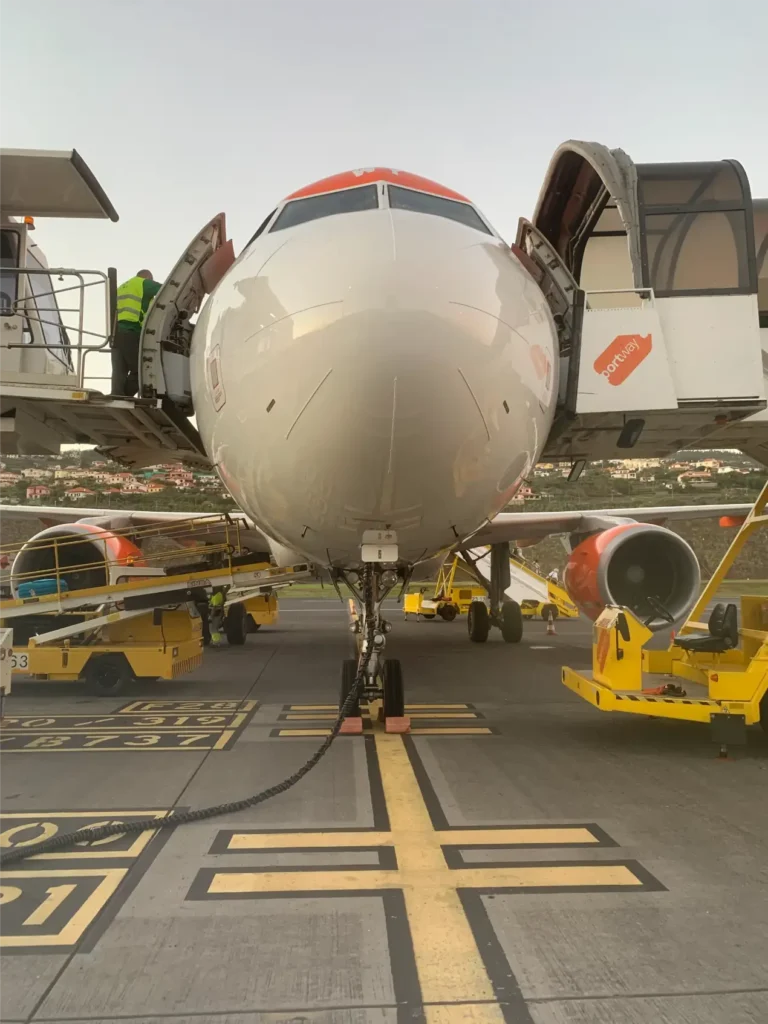
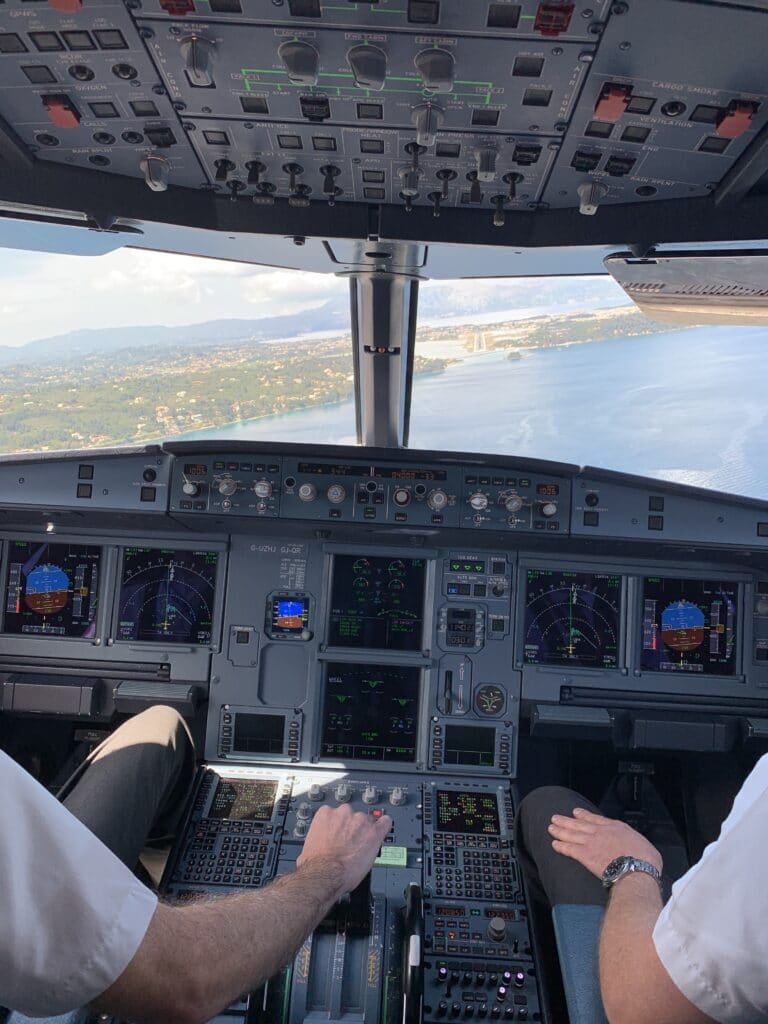
Let’s start with short-haul vs long-haul. In general, those working within a short-haul operation will find themselves at home each night. I use the term ‘night’ loosely here, as short-haul pilots tend to work crazy hours, either starting extremely early in the morning or finishing very late at night/early morning, but they’ll usually land back at the home base from which they started their workday, having operated either two or four sectors that day. More often than not, although they may fly to multiple cities in a day, they won’t actually step foot off the aircraft (aside from to do a walkaround check).
Now, short-haul pilots can still find themselves staying away from home, and there are two different situations in which this happens. Some short-haul airlines, such as the one I work for, occasionally have singular night stops. This is where you’ll operate either one or multiple flights on the first day, spend that night downroute in a hotel, and usually fly the next day again as soon as the flight time limitations allow. At the end of the second day, you’ll end up back at your home base. My airline used to have some pretty exciting nightstops in various cities all over Europe, but thanks to Brexit, the most glamorous place we now get sent for a nightstop is Glasgow, or Aberdeen if we’re really lucky.
Another situation that gives pilots time on the ground at different locations is when airlines operate what’s known as ‘tours’. The likes of British Airways do these tours with their short-haul fleet. During a tour, the crew will be away from home for up to five days at a time. They’ll be operating one or maybe multiple sectors per day, and staying in a different city each night. I’ve never done this type of flying, but I’ve heard that although it can be quite exhausting, it’s also good fun being able to stay in a different location every night.

Now let’s look at long-haul. These pilots tend to do one long sector and then spend one or a few days downroute before operating one sector home. It’s generally a much slower pace of life, and with it comes more time away from home. The length of time that long-haul pilots get downroute will depend on a number of things, including how long the outbound sector was and the time zone difference, as this will dictate the minimum amount of rest they’ll legally need before being able to operate home. Some airlines, unfortunately, roster their crews so they’ll be due to operate home almost as soon as they’ve achieved this minimum rest time, but others give their crews much more of a buffer.
When it comes to legacy vs low-cost, there used to be a big divide in how much time their crew would spend downroute, but now it’s not quite as clear-cut. Obviously, paying crew to be downroute instead of flying isn’t great for the airline’s accountants, so it makes economic sense to minimise the length of any stopover. In general, low-cost airlines tend to abide by this rule, but there are some exceptions. I know of low-cost airlines that offer their crew multiple night-long nightstops in the same location. Legacy carriers have also clamped down on the time their crew get downroute. Some legacy carriers still offer 4-5-day trips to some very nice locations, but some also give their long-haul crews just 24 hours downroute before having to operate back. Some even do ‘bullets’, whereby pilots don’t even get off the aircraft! They’ll operate one long-haul sector outbound, and remain on the aircraft as another crew flies them home while they rest in the passenger cabin.
Hopefully, the above has given you a little insight into how things work at this moment in time regarding how much time pilots spend away from home and in various locations. One thing to remember, though, is that the industry is constantly evolving. Airlines are always refining how their trips are built and rostered, while unions are pushing to ensure their members’ terms and conditions aren’t gradually eroded. What looks like an appealing lifestyle on a certain fleet or operation type right now could look completely different in just a few years’ time.
For more insight into the daily life of a pilot and what the rosters and lifestyles are like, grab a copy of my book ‘Airline Pilot: Life at 38,000ft’, by PilotBible (available on Amazon), where you can learn everything there is to know about modern pilot life.