
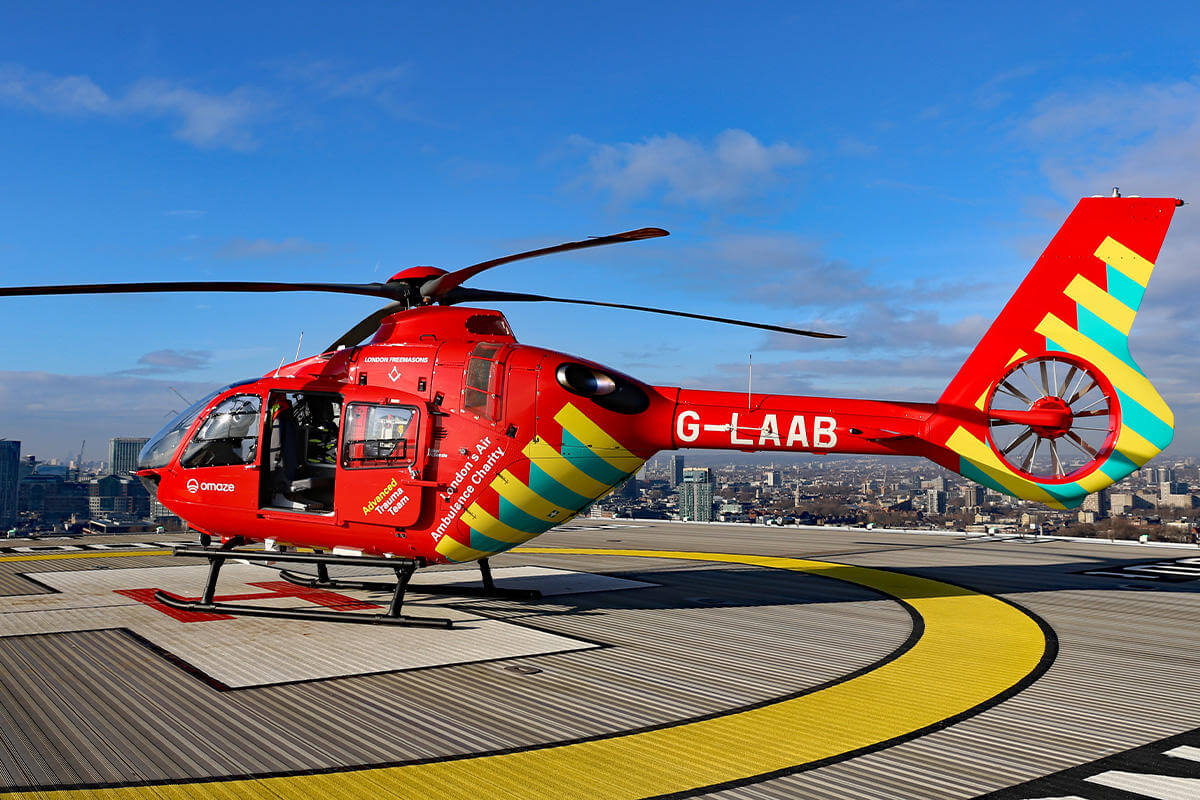
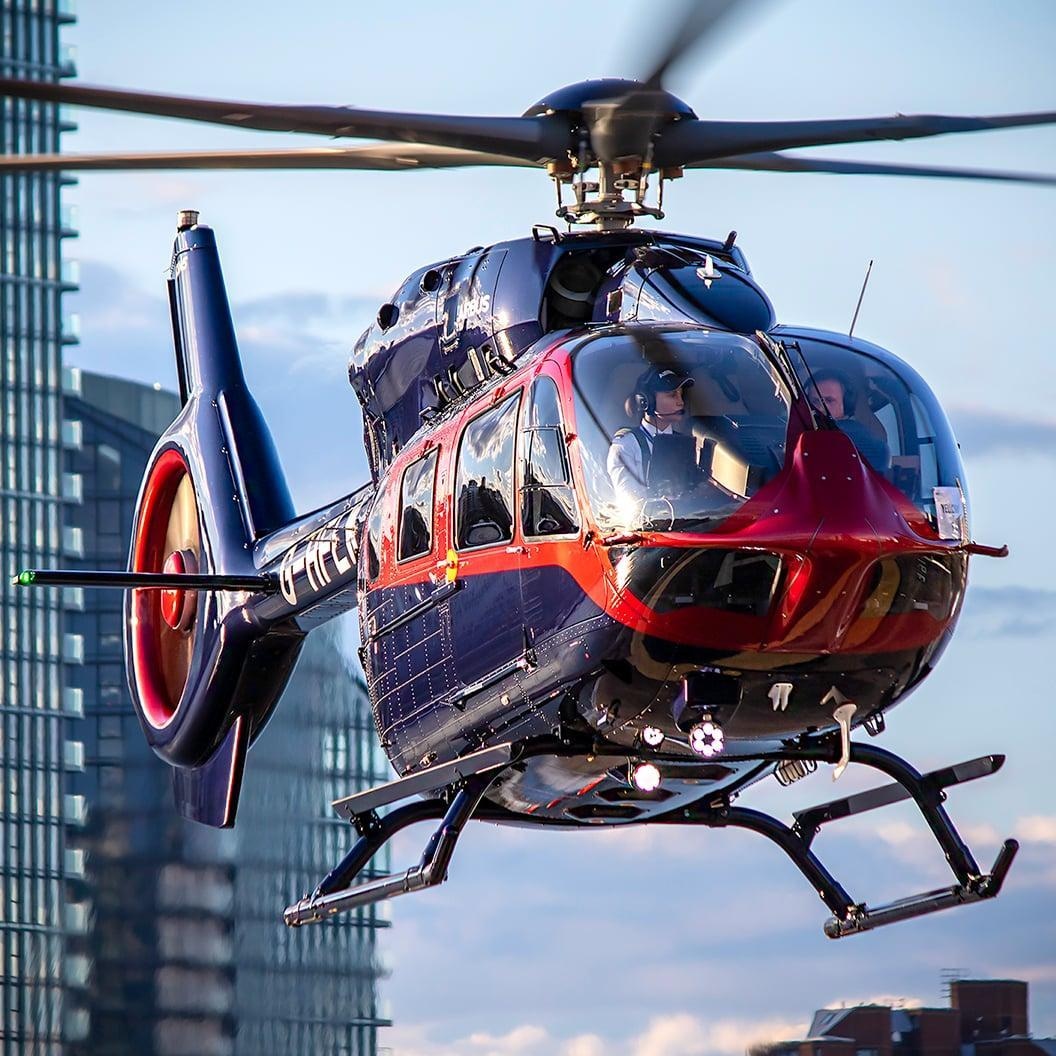
Ever wondered what life’s like piloting one of London Air Ambulance’s EC135 lifesaving helicopters, and the journey it takes to get there? Helicopter pilot Adele Dobler has kindly taken the time to provide us with insights into her current role with London HEMS, as well as sharing her own varied and exciting journey and advice for others looking to find their own way in the industry.
The Role
Company, position & base?
I’m an air ambulance helicopter pilot currently based in London. My career began in Western Canada, took me through scheduled service flights and HEMS/Air Ambulance flying on the Sikorsky 76 in Vancouver, then across the world to HEMS operations in Kenya, and now I’ve found my way into one of the busiest and most challenging HEMS environments in the UK with London’s Air Ambulance. Each chapter demanded something different of me and taught me something I didn’t yet know I needed.
Can you summarise your job role in one sentence?
I fly specialised helicopters into tricky places to land, with people experiencing the worst day of their lives, and my job is to make sure everyone gets home safely.
A Day in the Life
Could you walk us through a typical ‘day in the life’ of a London Air Ambulance helicopter pilot?
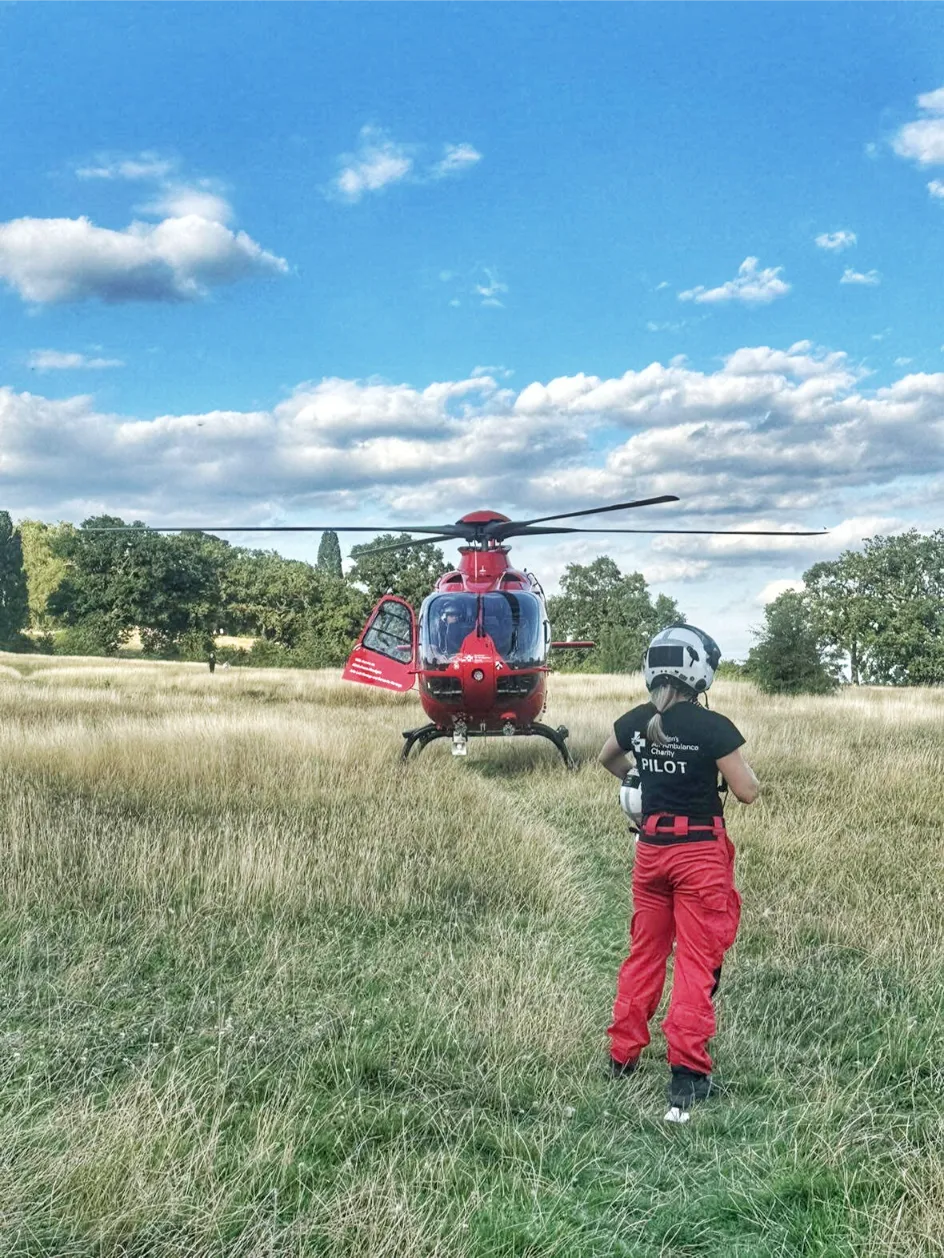
“Typical” doesn’t really exist in HEMS, but here’s the rhythm.
Shifts generally start early or go late into the night, with most operators running 24/7/365. We brief as a crew, check the aircraft, talk through weather, NOTAMs, and maintenance notes. Often, you barely finish your coffee in the morning before the first tasking drops.
In Canada, a “typical” day might mean freezing at −40°C on a rural helipad, praying your crew doesn’t get frostbite. In Kenya, it meant stepping into +37°C heat, with blowing red dust getting into everything, while trying to land on a patch of desert in the darkest of dark on night-vision goggles.
In London, it means threading a helicopter through some of the most congested areas in the world, including rooftops, cranes, tower blocks, and landmarks, responding to anything from traffic collisions to stabbings and falls from height.
The diversity is unmatched. We fly when tasked, we reset when we get back, we repeat. Some shifts are slow. Some are a blur. Most sit somewhere between adrenaline and paperwork.
The Realities of the Job
How many hours do you fly per month?
HEMS isn’t a high-hours job; it’s a high-concentration one. Depending on the country and ops tempo, anywhere from 15–50 hours is normal. Some months are feast, some famine.
What are your favourite aspects of your current HEMS role?
- The privilege of showing up on someone’s worst day and offering a fighting chance.
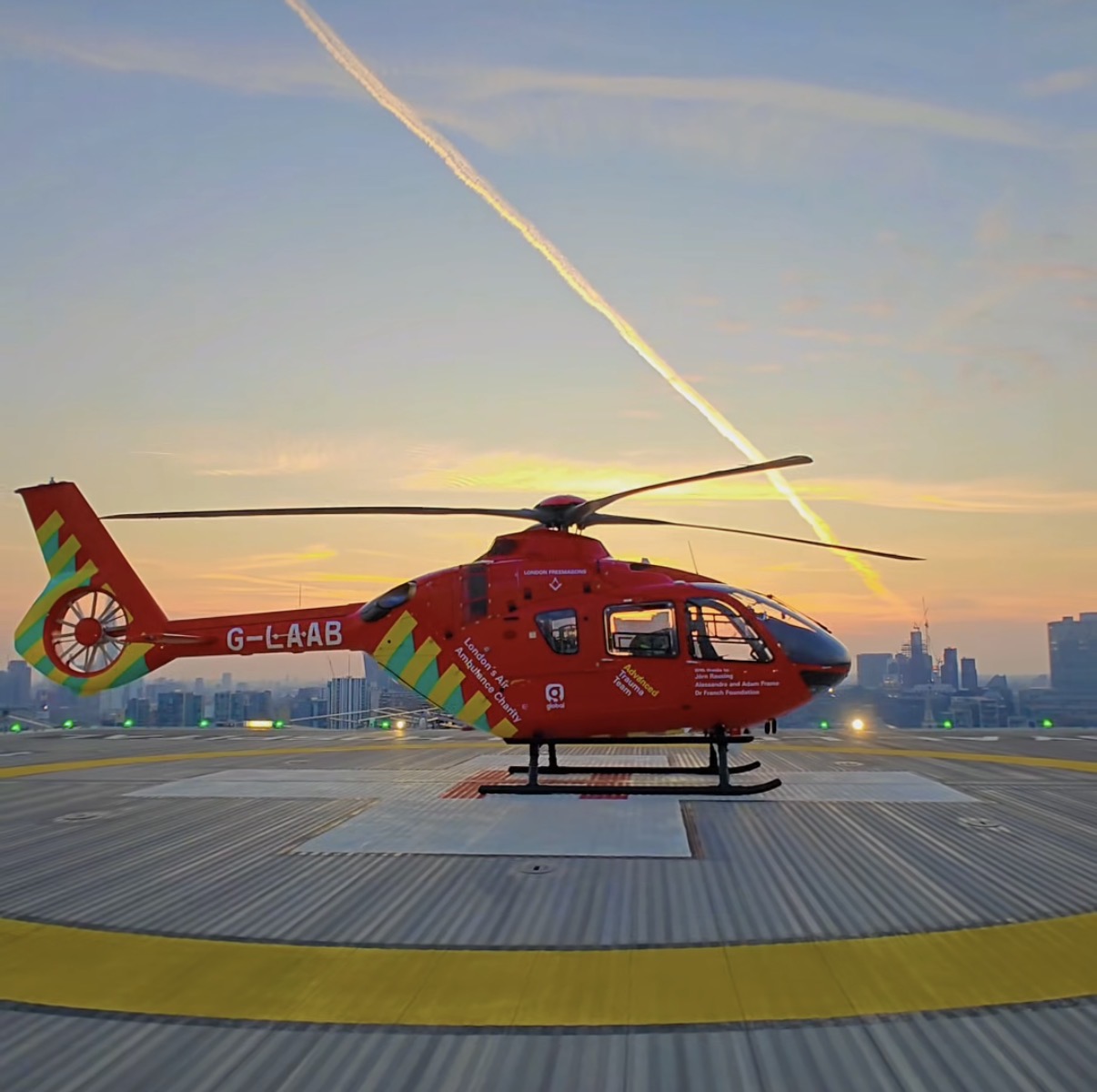
- The feeling, even after many years, of seeing a sunrise from the cockpit and being able to call that your office.
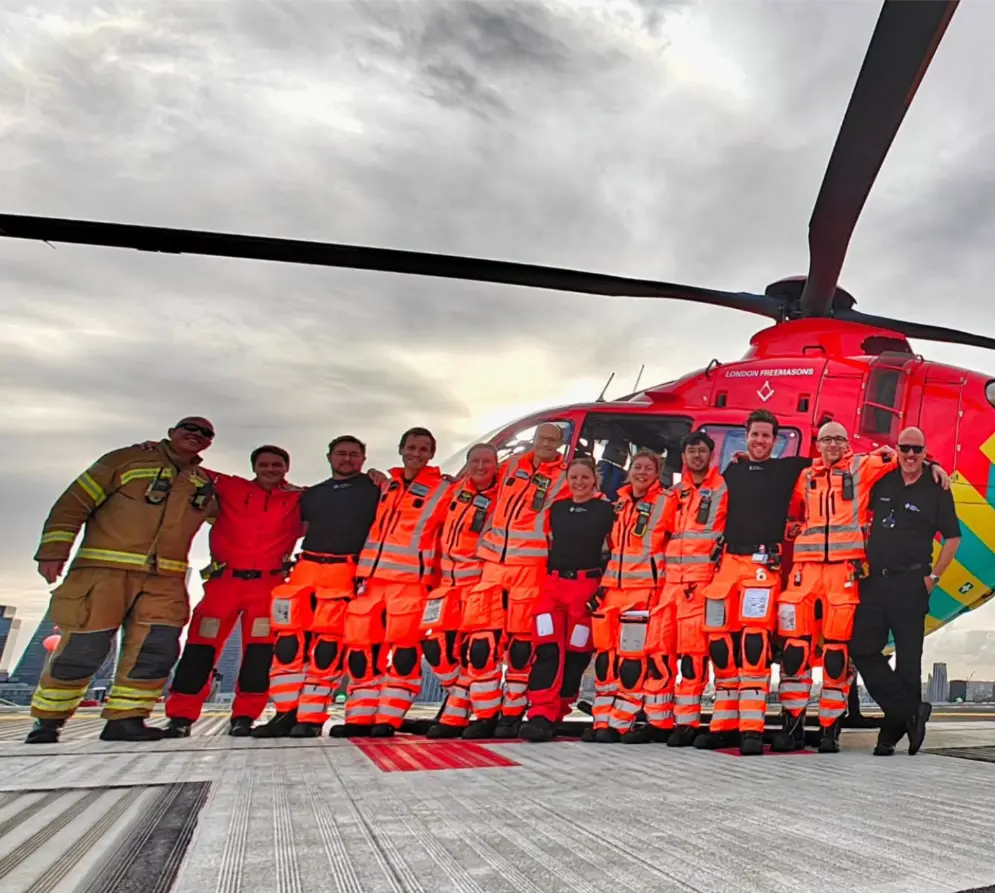
- The crew environment. Paramedics, doctors, engineers, pilots all pulling together under pressure.
- The places flying has taken me: Canadian wilderness, Kenyan deserts, and now London rooftops.
What do you find the most challenging parts?
- Decision-making under time pressure, especially when the weather is questionable, or landing zones are marginal, when you know there is a life hanging in the balance on the other end.
- The emotional residue. You learn to carry it, but you can’t pretend it doesn’t exist. Everyone has a story that can break your heart, patients, relatives, and your crew members. It’s harder some days to separate the job from the realities we face each day.
- Fatigue management on long shift stretches.
- Constantly having to prove you belong in a competitive space.
What’s something that surprised you about this HEMS role once you started doing it?
How much of the job isn’t flying. It’s thinking, communicating, managing risk, and being adaptable. Flying is the fun part, it’s everything around it that defines whether a mission is safe or if the day is a success or not.
Can you share any very memorable days from your career as a helicopter pilot?
Too many. But a standout is the night my co-pilot and I were swallowed by a Kenyan sandstorm called a Haboob. We had to land at a remote desert airstrip before being overrun by a wall of dusty wind and rain. We shut down and were instantly surrounded by curious herders with their goats, then waited the entire night for the dust to clear so we could fly the aircraft back at 3:30am by moonlight. It was one of the more interesting places I have spent a night!
What does a bad day at work look like for you?
Usually not the dramatic ones. The bad days are the accumulation of small things: poor weather, long delays, difficult landings, or carrying a heavy job home emotionally. Sometimes it’s simply fatigue meeting a tough call.
What does a great day at work look like for you?
When the crew operates as one mind, the flying is scenic and snappy, the patient outcome is positive, and you land knowing your decisions that day mattered.
Most commonly asked flying-related question you get at a party?
“Do you get scared?”
My answer: “Fear keeps you honest, but training keeps you functional.”
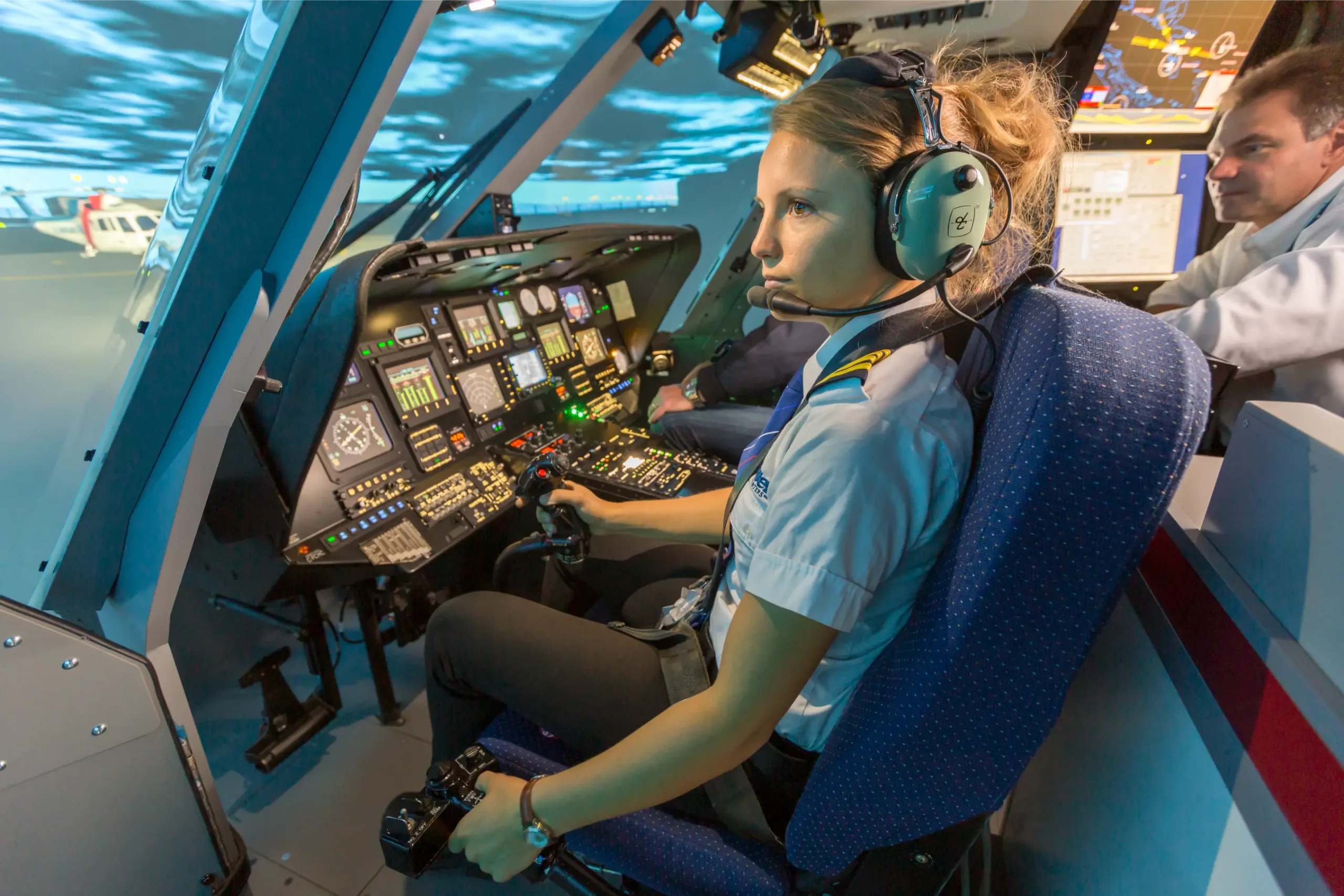
Health and Lifestyle
How does your roster/shift pattern work? How does it affect life outside of work?
12-hour shifts, days and nights, rotating patterns. HEMS rosters look civilised on paper but can be brutal in reality: sleep disruption, emotional load, circadian chaos. In Kenya, fatigue came from heat, dust, and jet lag. In London, it’s the relentless tempo of the city. You learn to build a life around shift work, not against it.
How does the HEMS job impact your physical and mental health?
Physically:
- Odd meal times
- Sleep inconsistency
- Weather exposure (frozen fingers in Canada, desert heat in Kenya, waiting around in the rain in England)
Mentally:
- It stretches you.
- It humbles you.
- It forces you to grow
But it also teaches you resilience you wouldn’t trade for anything.
What strategies do you have for staying healthy that could be useful to other pilots? (sleep routine, fitness, diet, social connection etc.)
- Protecting sleep like it’s gold.
- Training my mind the same way I train for emergencies: small reps, often.
- Staying active. Even a short walk or going up some stairs is medicine on shift weeks.
- Structured decompression: journalling, quiet time, humour.
- Seeking connection. Isolation is a killer in this field.
What mental health support is available to you in the workplace? Do you think it’s adequate? How could it be improved?
Support varies wildly by country and organisation. Some do it well; others assume “toughness” is the standard. I wish crew mental health was treated with the same seriousness as aircraft maintenance: preventative, not reactive. There’s still work to be done to remove the stigma and the catch-22 of needing help with the consequence of losing your career.
There are a lot of incredibly valuable peer support networks that are available to pilots worldwide that offer confidential support when you just need to speak to someone who understands the industry.
Pay and Progression
Is the salary competitive within the industry & how does the pay structure work?
HEMS pay sits somewhere in the middle of the road for the industry and is generally based on a yearly salary instead of on flight hours. VIP and offshore flying tend to pay more; HEMS gives you purpose and generally a better lifestyle where you can be home most nights so it’s a choice of balance and priorities.
What opportunities exist for progression in your role?
- Senior/Lead pilot roles
- Training captain
- Check & training
- Management or safety roles
- Moving between international HEMS operations
My career evolved because I continued to challenge myself by moving into different roles and environments. Alberta → Vancouver → Kenya → London. Each move terrified me but I made them anyway and I have been incredibly grateful for the opportunities to experience the world along the way.
Your Aviation Journey
Why did you choose to become a pilot, and this job specifically?
I spent a long time searching for my purpose when I was younger, and worked a scroll worth of different jobs trying to find myself. I think because I never saw anyone who looked like me in the cockpit, it never occurred to me that it was even an option growing up. After a chance encounter with a female helicopter pilot, I couldn’t stop thinking about it. After a trial flight, I was hooked.
Air ambulance came later, when I realised how deeply meaningful it felt to show up for people in their hour of need.
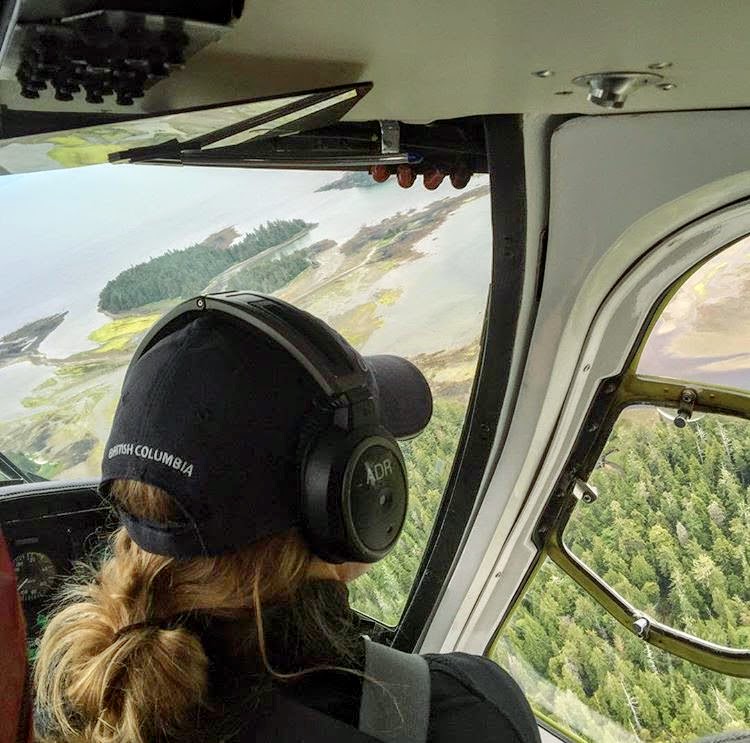
What path did you take to get here?
Messy. Non-linear. Fueled by stubbornness and determination to never stop moving forward.
Driving horse carriages → pine cone picking → flight school → pipeline patrols → Vancouver tours → Sikorsky captaincy → STARS → Kenya → London. Each step required unlearning other people’s fears and listening to my own instincts. It has been a very winding road, but I learned something valuable each step of the way, and have been able to compile the lessons in order to level up each time.
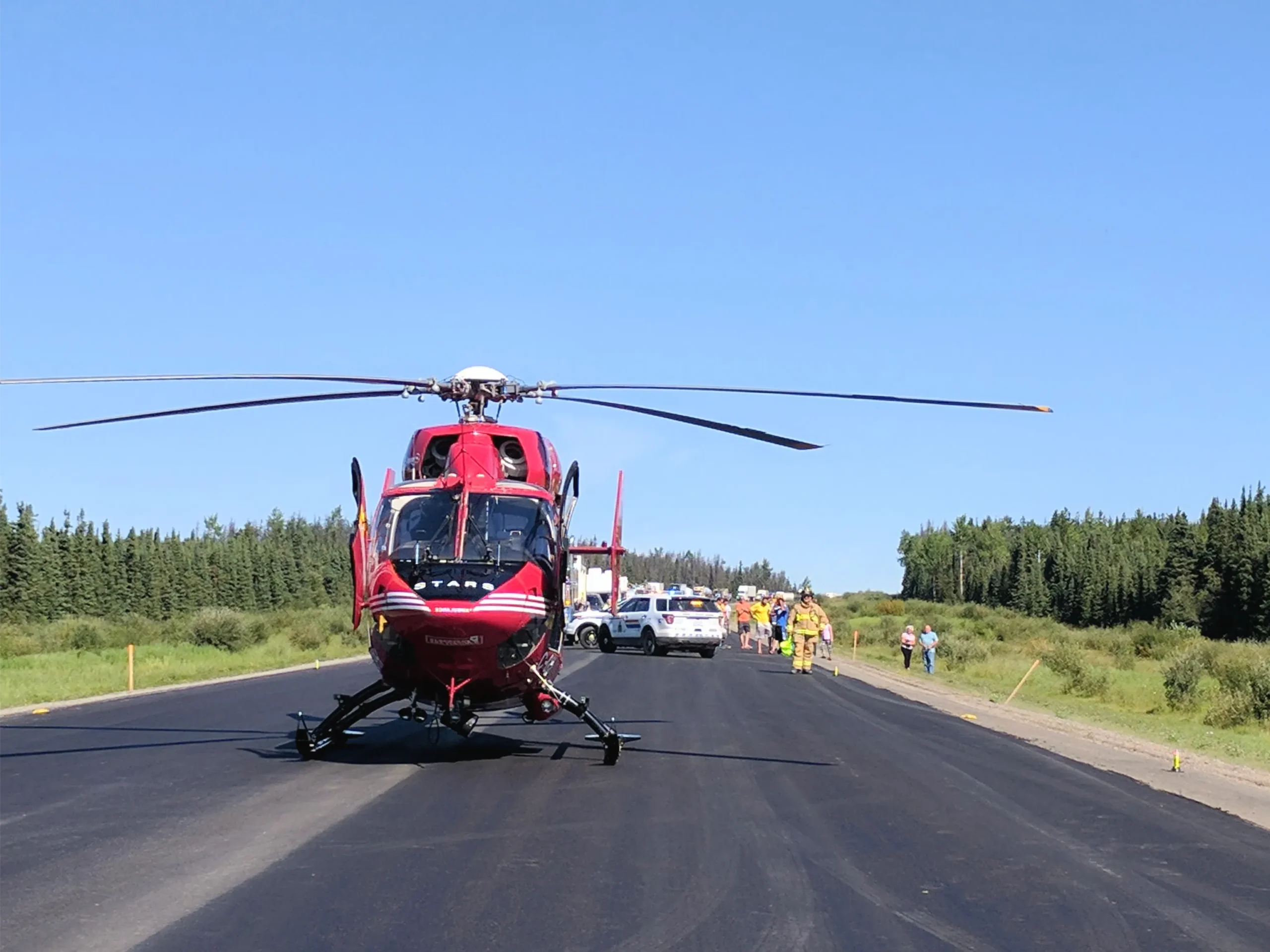
What’s been your career highlight(s) so far?
- Becoming a captain on the S-76 early in my career
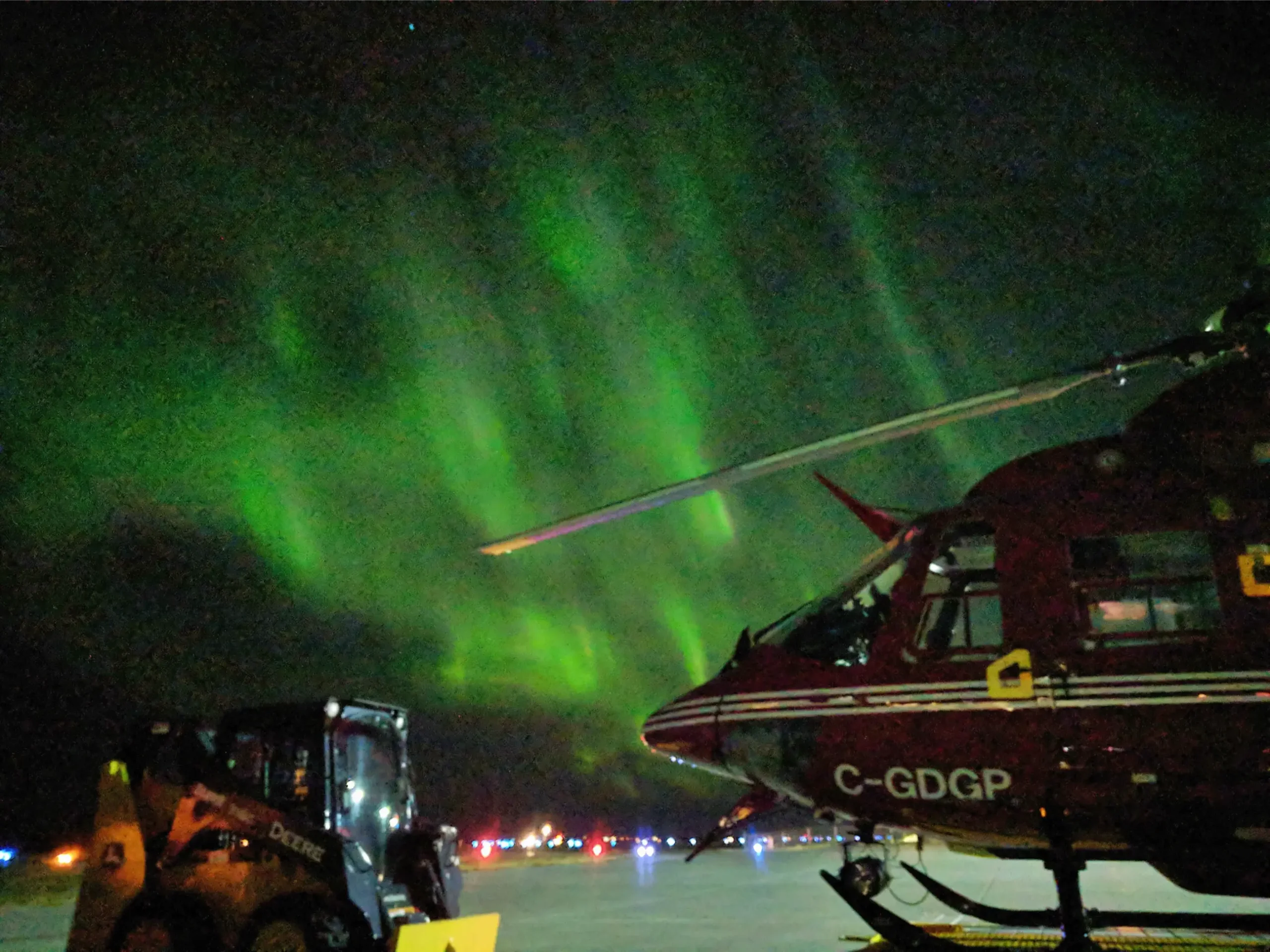
- Flying STARS missions in the Canadian winter under the Northern Lights on Night Vision Goggles
- Surviving and managing emergencies alone
- Working in Kenya. Watching zebras, rhinos, giraffes, and elephants while doing night circuits under a sky full of stars.
- Flying in London… something I could have never even imagined as a young girl growing up in a small town in rural Alberta.
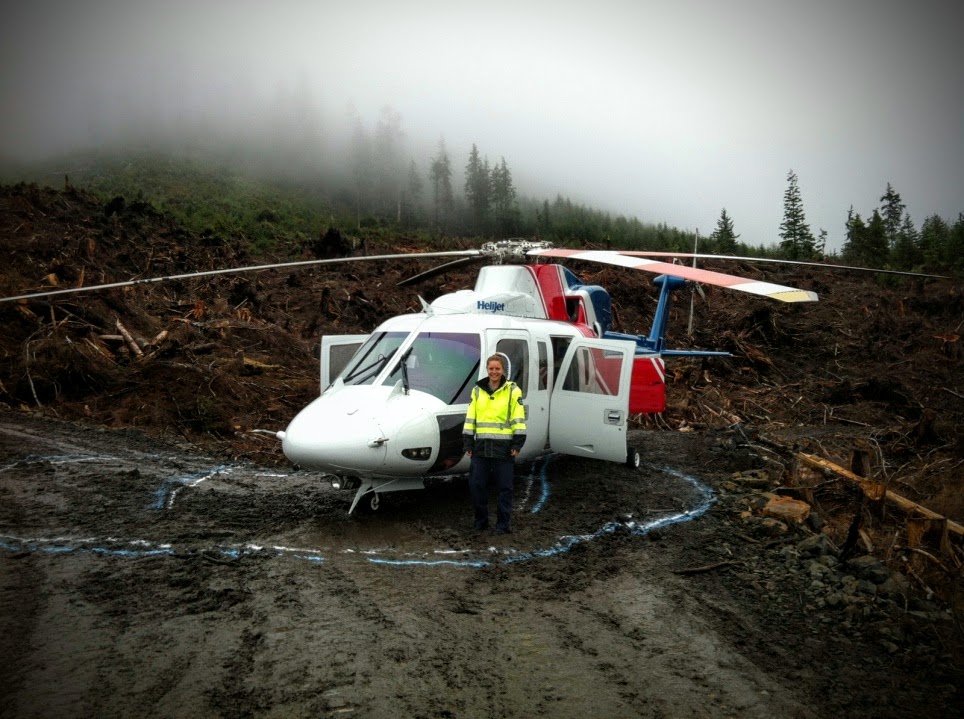
If you could go back to the start of your career and do anything differently, what would it be and why?
I’d stop underestimating myself earlier. I wasted years believing people who told me what I “couldn’t” do, and trusting their truth over my own.
Where would you like your career to be in 5 years?
Still flying, still learning, and helping more people into the industry and into their own sense of confidence. I want to mentor the next generation so they can learn from my strengths and weaknesses without having to repeat the same mistakes.
Would you recommend your career path to budding or current pilots right now? Any advice for them?
Yes. If you’re willing to grow constantly, think critically, stay humble, and do things scared. Aviation doesn’t reward perfection; it rewards persistence and progress. Don’t wait for confidence. Build it.
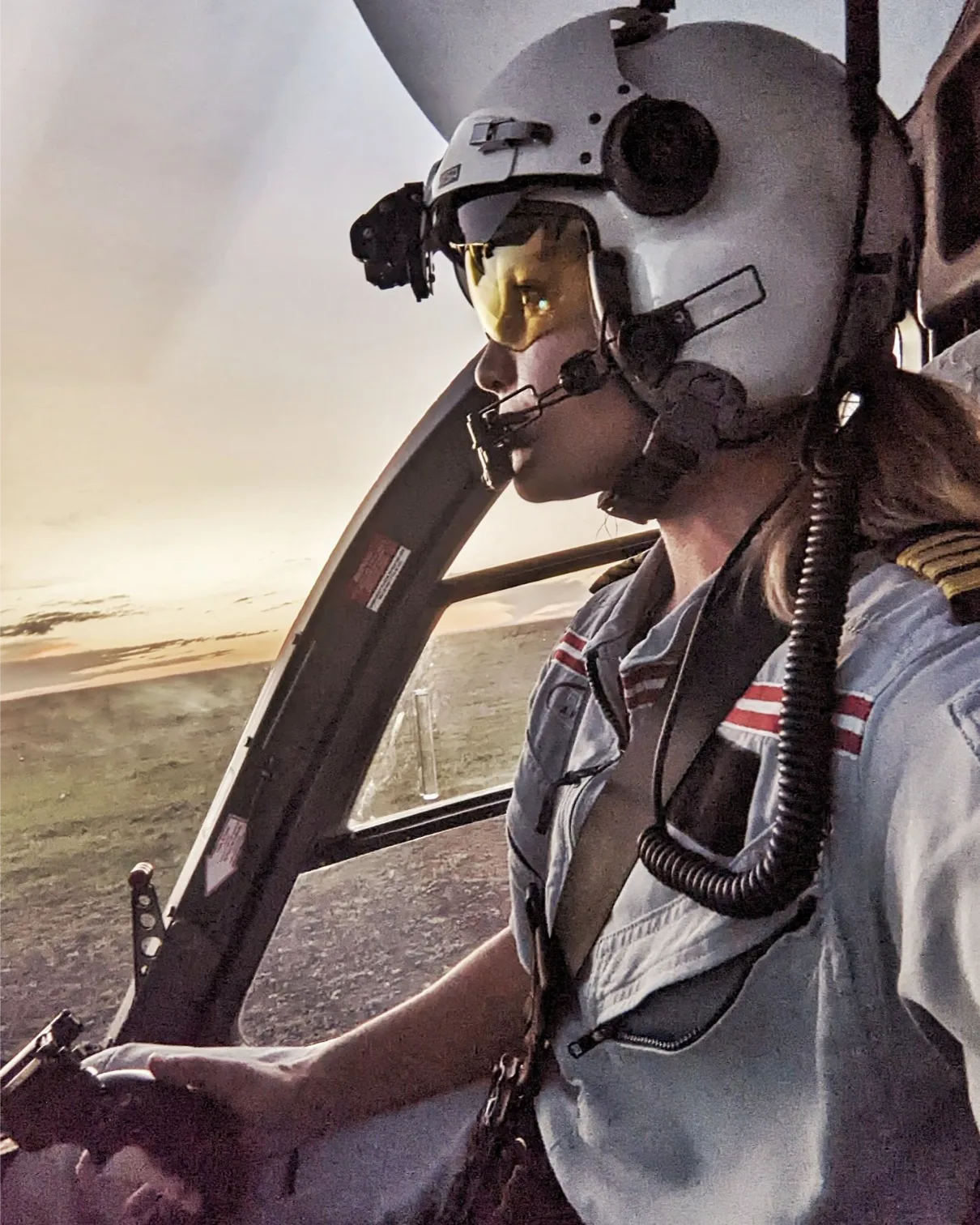
A big thank you to Adele for sharing her insights into life as a HEMS helicopter pilot. We appreciate the behind-the-scenes look at this extremely challenging and rewarding career, as well as the honest insight into her journey to get there. I’m sure you’ll all join me in wishing Adele all the best for the future!
For those who wish to follow Adele on her journey, check out her awesome insta page Adele_the_heli_pilot.
Want to learn more about becoming a pilot? Join our free Skool community to connect with other like-minded individuals and access resources and video content to help you on your journey.

One Response
you all do a great great job. the best.